For more than a century, Włocławek's distinctive hand-painted faience found its way into homes across Poland, becoming one of the country's most recognisable ceramic traditions. Today, that remarkable story has found a fitting home at Skarbiec Fajansu, an interactive cultural attraction that celebrates the city's artistic and industrial heritage in a fresh and engaging way.
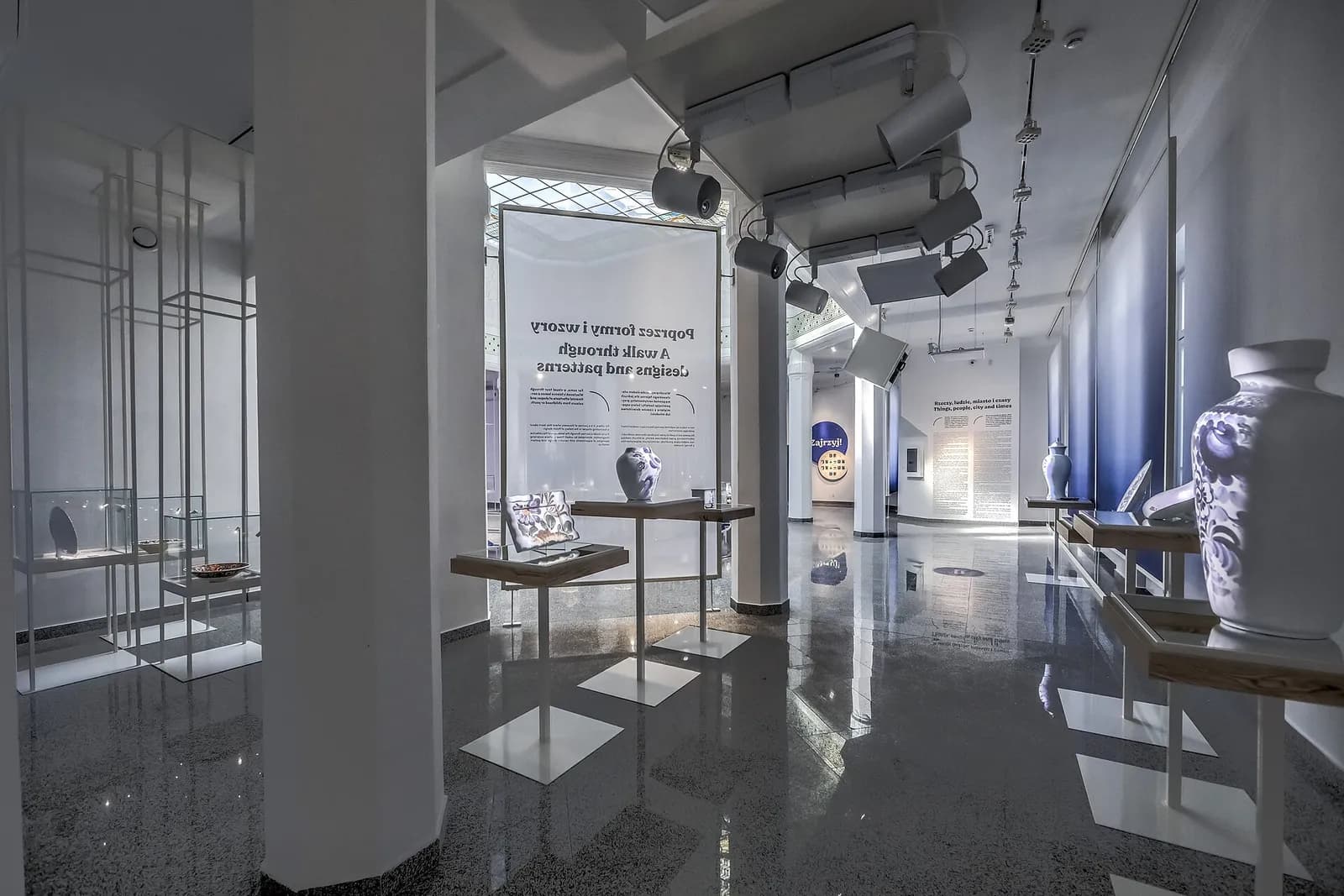
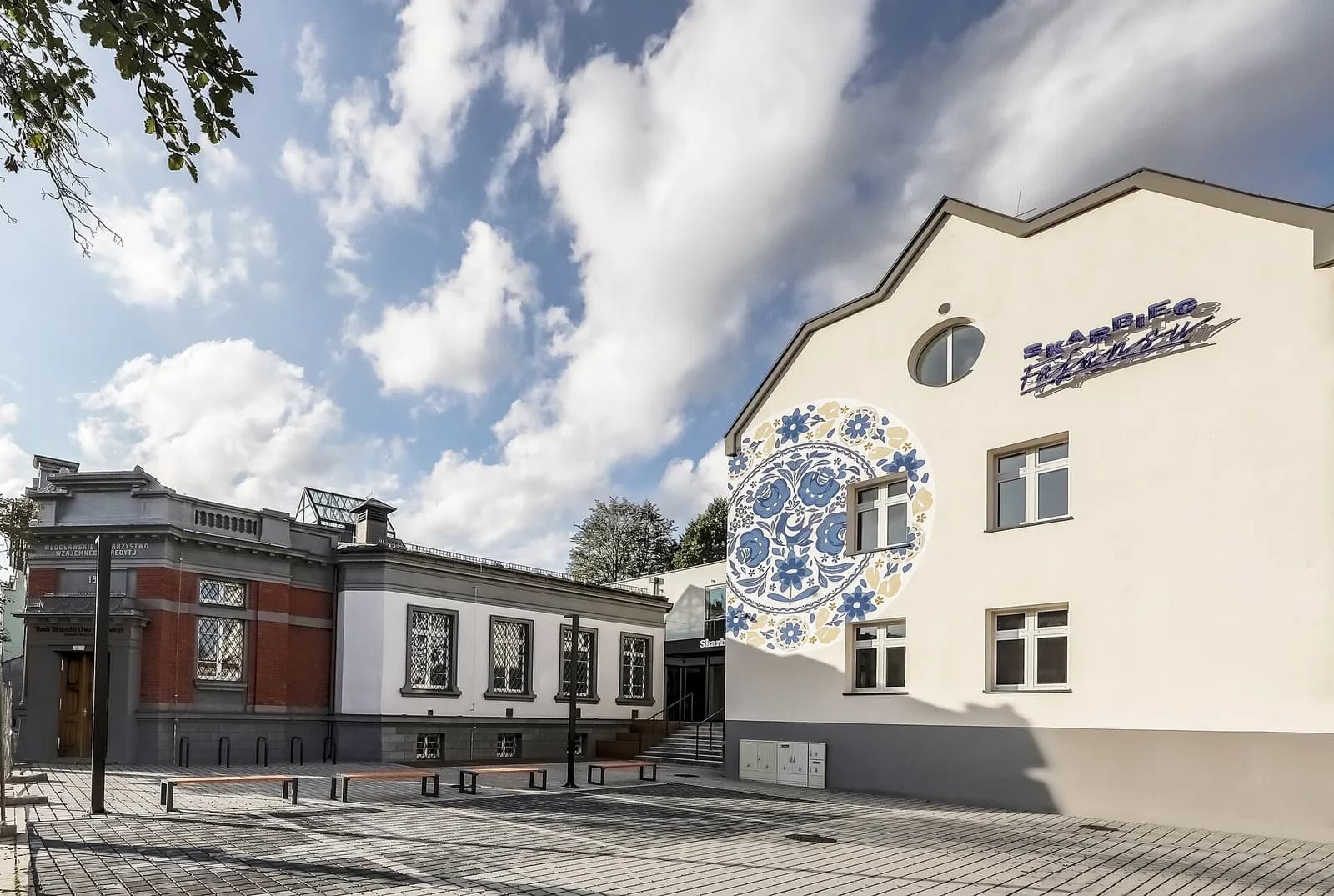
Located at ul. Żabia 2, Skarbiec Fajansu blends history with modern technology, inviting visitors of all ages to discover how Włocławek became synonymous with beautifully decorated ceramics. Rather than simply displaying collections behind glass, the attraction encourages visitors to experience the craft through multimedia exhibits, recreated interiors and hands-on activities.
A Building with Its Own Story
The building housing Skarbiec Fajansu has a fascinating history of its own. Built in 1911 as the headquarters of the Włocławskie Towarzystwo Wzajemnego Kredytu, it later served various banking institutions before being carefully restored as part of the city's regeneration programme.
One of its most intriguing features remains intact. Visitors can see the original century-old steel and concrete bank vault, a reminder of the building's previous life, while the former banking hall now serves as the Golden Gallery, hosting temporary exhibitions throughout the year.
Celebrating Nearly 120 Years of Faience
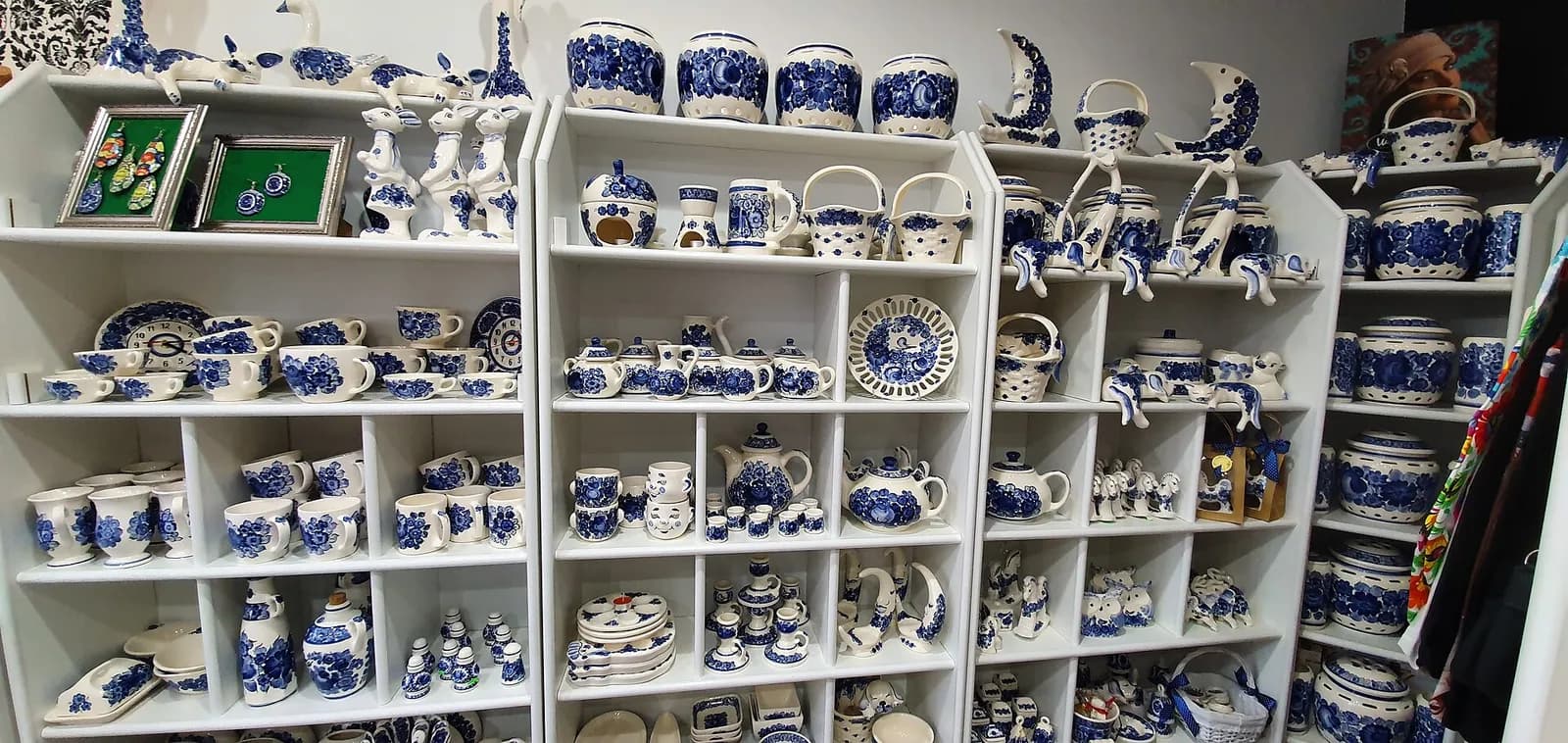
Włocławek produced faience from 1873 until 1991, establishing itself as Poland's leading centre for decorative ceramics. Its products became instantly recognisable for their hand-painted floral motifs, rich cobalt blues and folk-inspired designs.
Behind every piece was the work of highly skilled decorators, many of them women whose distinctive painting styles helped define the city's reputation. Although large-scale production came to an end following Poland's economic transformation in the early 1990s, the tradition continues through smaller manufacturers, artists and cultural institutions dedicated to preserving this unique craft.
An Interactive Journey Through Ceramic History
Skarbiec Fajansu offers far more than a traditional museum visit. Throughout the exhibition, visitors can explore the story of faience production using multimedia presentations, sound and light installations, educational films and interactive displays that explain every stage of the manufacturing process.
The experience introduces the people behind the ceramics, from factory workers and designers to the painters whose careful brushwork transformed everyday household items into works of decorative art. Visitors also learn how the industry shaped Włocławek's economy and identity for generations.
One particularly popular exhibit recreates a typical kitchen from the People's Republic of Poland (PRL) era, showing how Włocławek faience became an everyday part of family life. Tea sets, coffee services, bowls, vases and decorative ornaments offer a nostalgic glimpse into homes where these distinctive ceramics were once a familiar sight.
Learning Through Creativity
Education plays an important role at Skarbiec Fajansu. The venue regularly organises workshops where visitors can try traditional decorating techniques, work with clay and experience pottery-making first hand.
Families, school groups and individual visitors can take part in creative sessions throughout the year, while special events such as Noc w Skarbcu Fajansu provide additional opportunities to explore the collection in a different setting.
These activities help ensure that Włocławek's ceramic traditions continue to inspire new generations of artists and enthusiasts.
A Centrepiece of Włocławek's Cultural Identity
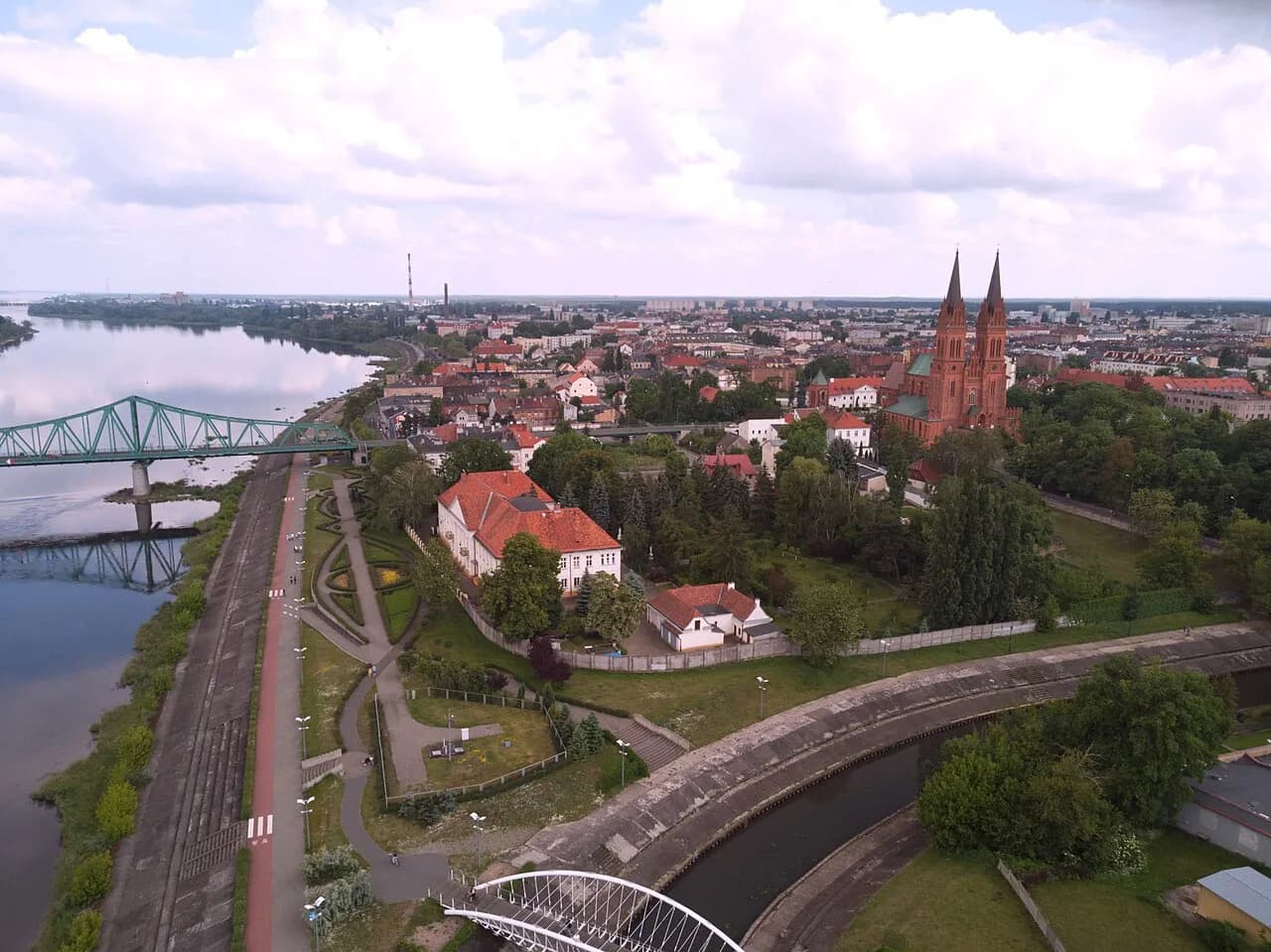
Skarbiec Fajansu complements the extensive faience collections held by the Muzeum Ziemi Kujawskiej i Dobrzyńskiej, creating a broader picture of one of Poland's most significant ceramic traditions. Together, they preserve not only thousands of historic objects but also the stories, skills and craftsmanship that made Włocławek famous.
For residents, it is a celebration of local identity and pride. For visitors, it offers an engaging introduction to a craft that helped shape the city's character for almost 120 years. By combining historic collections with modern interpretation, Skarbiec Fajansu ensures that Włocławek's most famous artistic legacy continues to be appreciated long into the future.
image credit: M.blaszczak, CC BY-SA 4.0 / Antyczek, CC BY-SA 4.0