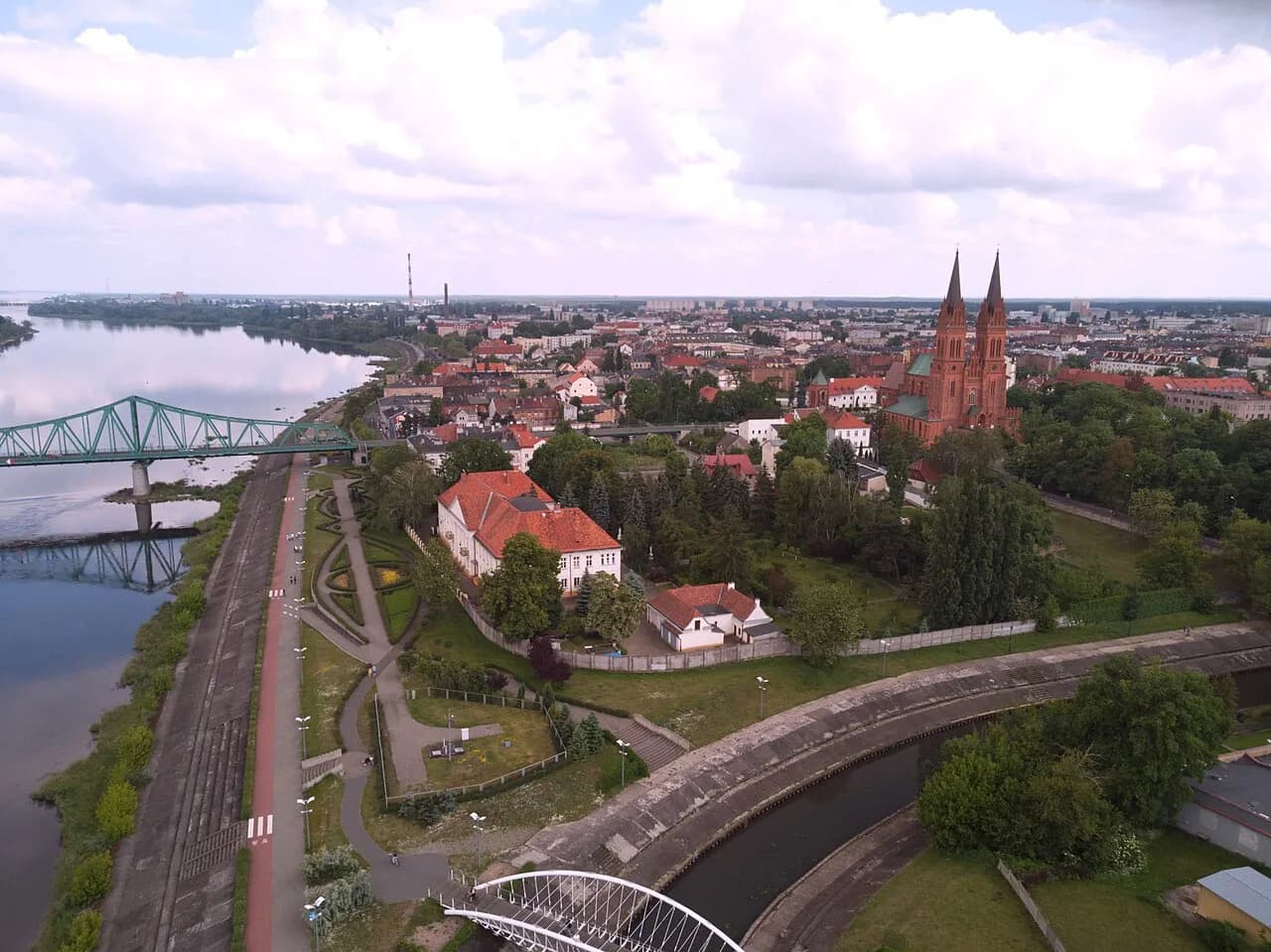
Set on the banks of the River Vistula, Włocławek is one of Poland's oldest cities and one of its most historically significant. While it may be less familiar to international visitors than some of the country's larger destinations, those who take the time to explore soon discover a city where medieval architecture, centuries of religious heritage and a celebrated ceramics tradition come together to tell a remarkable story.
From its impressive Gothic cathedral to its colourful hand-painted faience, Włocławek has been shaped by faith, trade and craftsmanship for more than a thousand years. Today, it continues to balance its historic identity with modern life, making it an engaging destination for anyone interested in Poland's cultural heritage.
A City Shaped by the Vistula
Long before Włocławek became a recognised city, people settled here because of the River Vistula. Archaeological discoveries point to communities living in the area during the late Bronze Age and early Iron Age, drawn by fertile land and access to one of Europe's great waterways.
By the 10th century, under the Piast dynasty, Włocławek had grown into an important administrative and trading settlement. The Vistula served as Poland's principal transport route, carrying timber, grain, salt and other goods between southern Poland and the Baltic coast. Its strategic position helped the town prosper and laid the foundations for centuries of commercial success.
When Włocławek received town rights in 1255 under the Chełmno Law, it entered a new chapter of organised urban development. Markets expanded, merchants settled here, and the city strengthened its role as one of the region's leading centres.
The Cathedral That Defines Włocławek
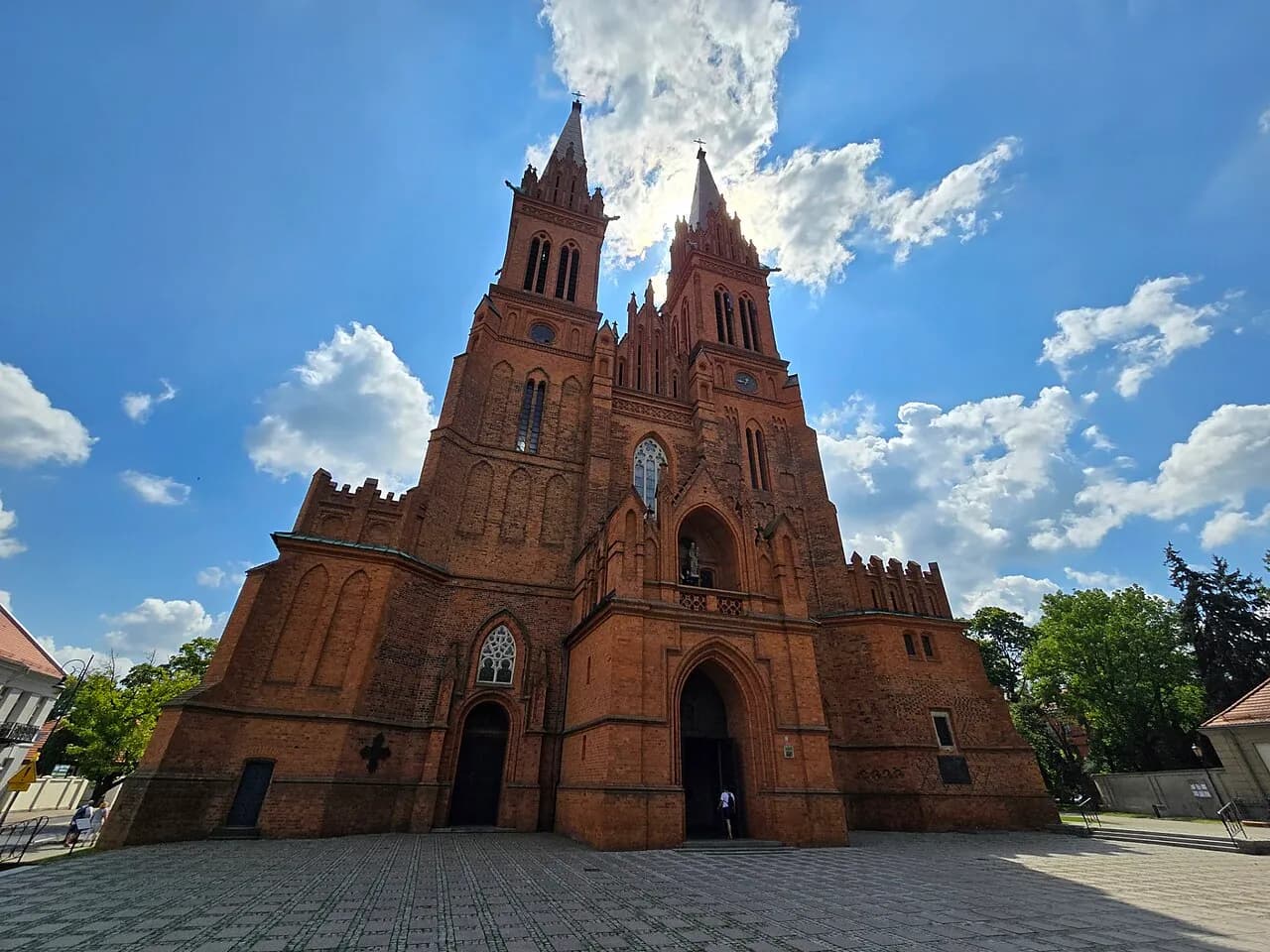
Few landmarks capture the spirit of Włocławek more than the Basilica Cathedral of St. Mary of the Assumption.
Rising above the historic centre, the Gothic cathedral has watched over the city for more than six centuries. Construction began around 1340 after an earlier Romanesque cathedral was destroyed during the Teutonic invasion of 1329. Consecrated in 1411, it remains one of the finest examples of Gothic ecclesiastical architecture in central Poland.
Inside, visitors find beautifully preserved chapels, historic stained glass, religious artwork and the tombs of bishops who played an important role in shaping both the city and the wider region. The cathedral continues to serve as the seat of one of Poland's oldest dioceses, reflecting a religious tradition that stretches back around 900 years.
Even for those with no religious interest, the cathedral stands as the defining symbol of Włocławek's history and skyline.
Trade, Growth and Resilience
The city's fortunes were closely tied to commerce along the Vistula. During the 15th and 16th centuries, Włocławek flourished as trade increased throughout the Kingdom of Poland.
Its importance was further recognised in 1520 when the royal customs office was moved here from Dobrzyń, strengthening the city's role in overseeing river trade. Merchants, craftsmen and river transport all contributed to a period of prosperity that shaped much of the historic centre visitors see today.
Like many Polish cities, Włocławek also experienced difficult periods. Swedish invasions in the 17th century brought widespread destruction, while the Partitions of Poland placed the city under Russian rule during the 19th century. The Second World War again left deep scars on both the city and its people.
Yet Włocławek repeatedly rebuilt itself. Careful post-war restoration preserved many of its historic buildings, allowing today's visitors to appreciate a city where centuries of history remain visible in its streets and architecture.
The City Famous for Faience
For many people across Poland, Włocławek is synonymous with ceramics.
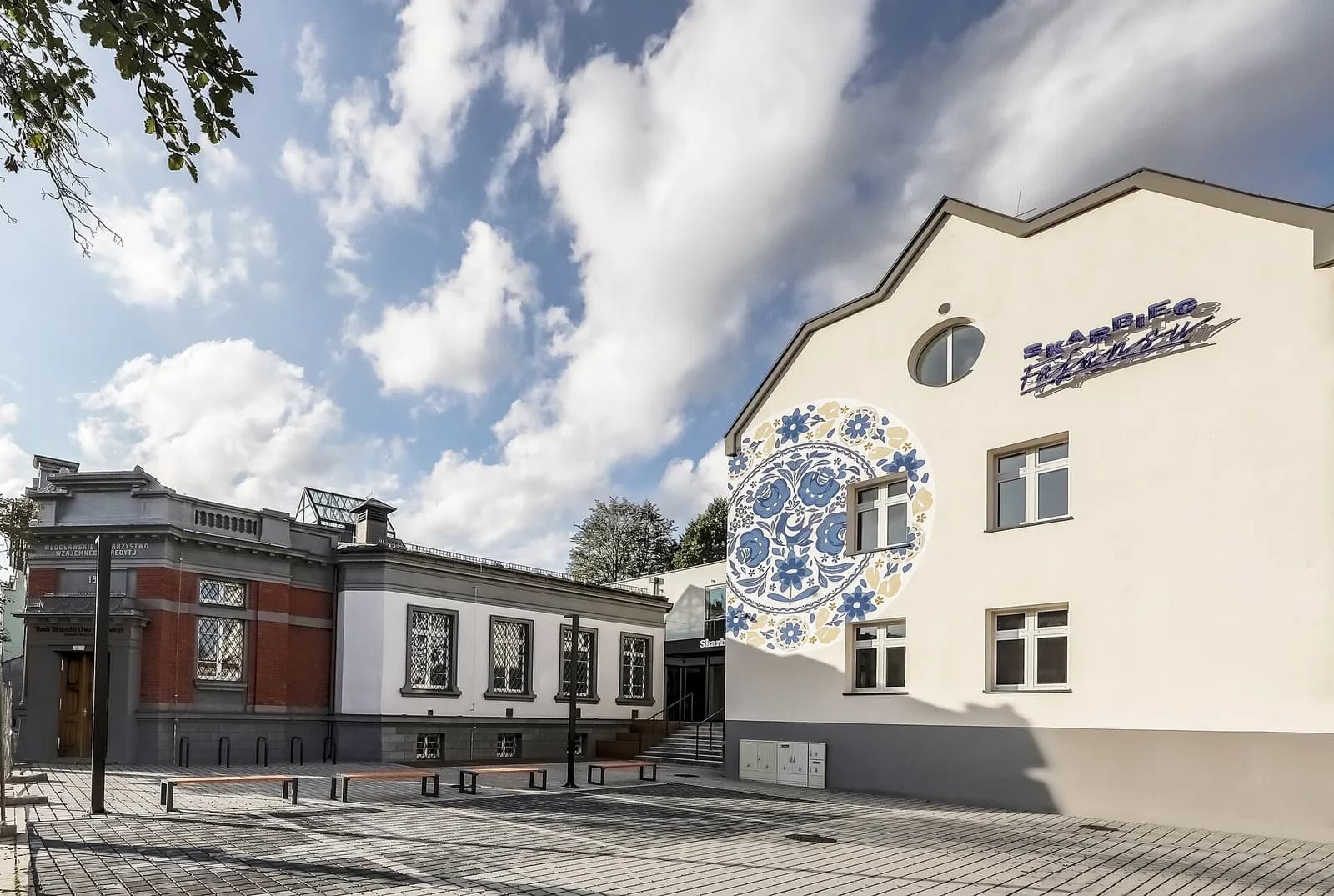
The city's renowned faience tradition began in 1873 when Gustaw Becker founded the Włocławek Faience Factory. Over time, local artists developed a distinctive style characterised by hand-painted floral patterns, most famously in rich cobalt blue, although vibrant greens, yellows and reds also became hallmarks of the craft.
These beautifully decorated plates, vases and household items became treasured across the country and gained recognition abroad. Because every piece was painted by hand, each carried its own unique character.
Although the industry faced major challenges during the 20th century, Włocławek's ceramics remain one of the city's best-known cultural symbols. Museums, exhibitions and contemporary artists continue to celebrate this tradition, ensuring it remains part of the city's identity today.
Discovering Włocławek Today
Beyond its cathedral and ceramics, Włocławek offers visitors an attractive blend of history and riverside scenery.
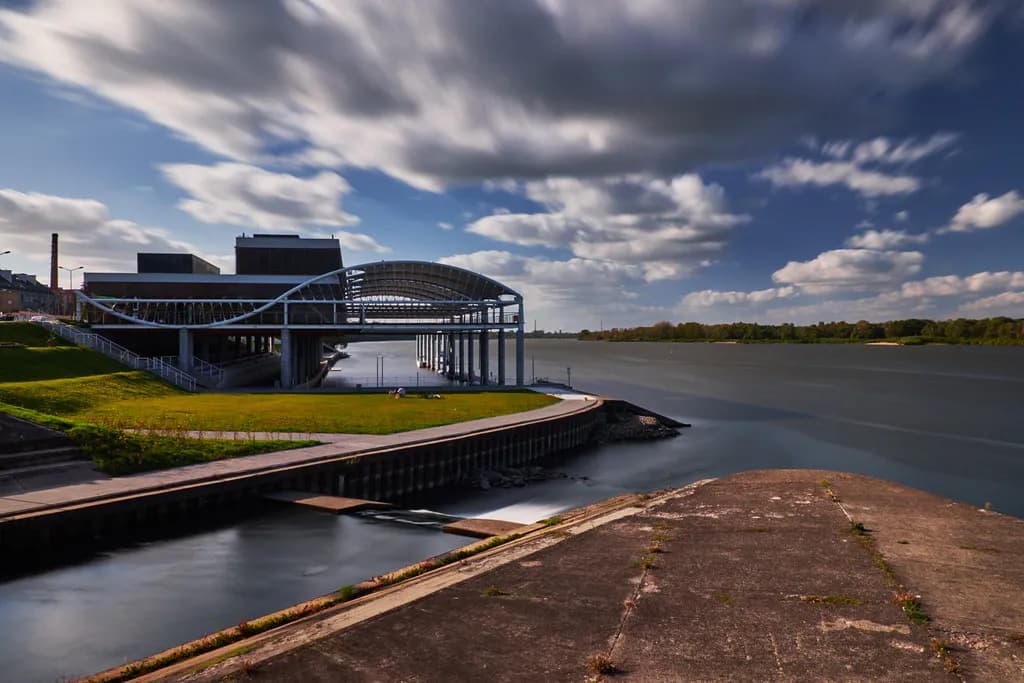
A walk through the Old Town reveals historic townhouses, churches and public squares that reflect the city's medieval origins. Along the Vistula Boulevards, residents and visitors enjoy one of the city's most popular recreational spaces, where views across Poland's longest river provide a reminder of the waterway that shaped Włocławek's development.
Just beyond the historic centre stands the Włocławek Dam, completed in 1970. As the largest hydroelectric power station on the Vistula, it represents another important chapter in the city's evolving story and its continuing role in Poland's economy.
With a population of around 110,000, Włocławek is now the third-largest city in the Kujawsko-Pomorskie Voivodeship. Alongside manufacturing and education, tourism plays an increasingly important role, with visitors drawn by the city's heritage, museums and cultural events.
A City Where History Still Lives
Włocławek is not a city that relies on a single landmark or moment in history. Instead, its appeal lies in the way centuries of change remain woven into everyday life. The Gothic cathedral continues to dominate the skyline, traditional faience patterns are still recognised across Poland, and the River Vistula remains the thread connecting the city's past with its present.
For those looking beyond Poland's best-known destinations, Włocławek offers an authentic glimpse into the country's religious, commercial and artistic heritage. It is a place where history is not confined to museum displays but continues to shape the character of the city and the community that calls it home.