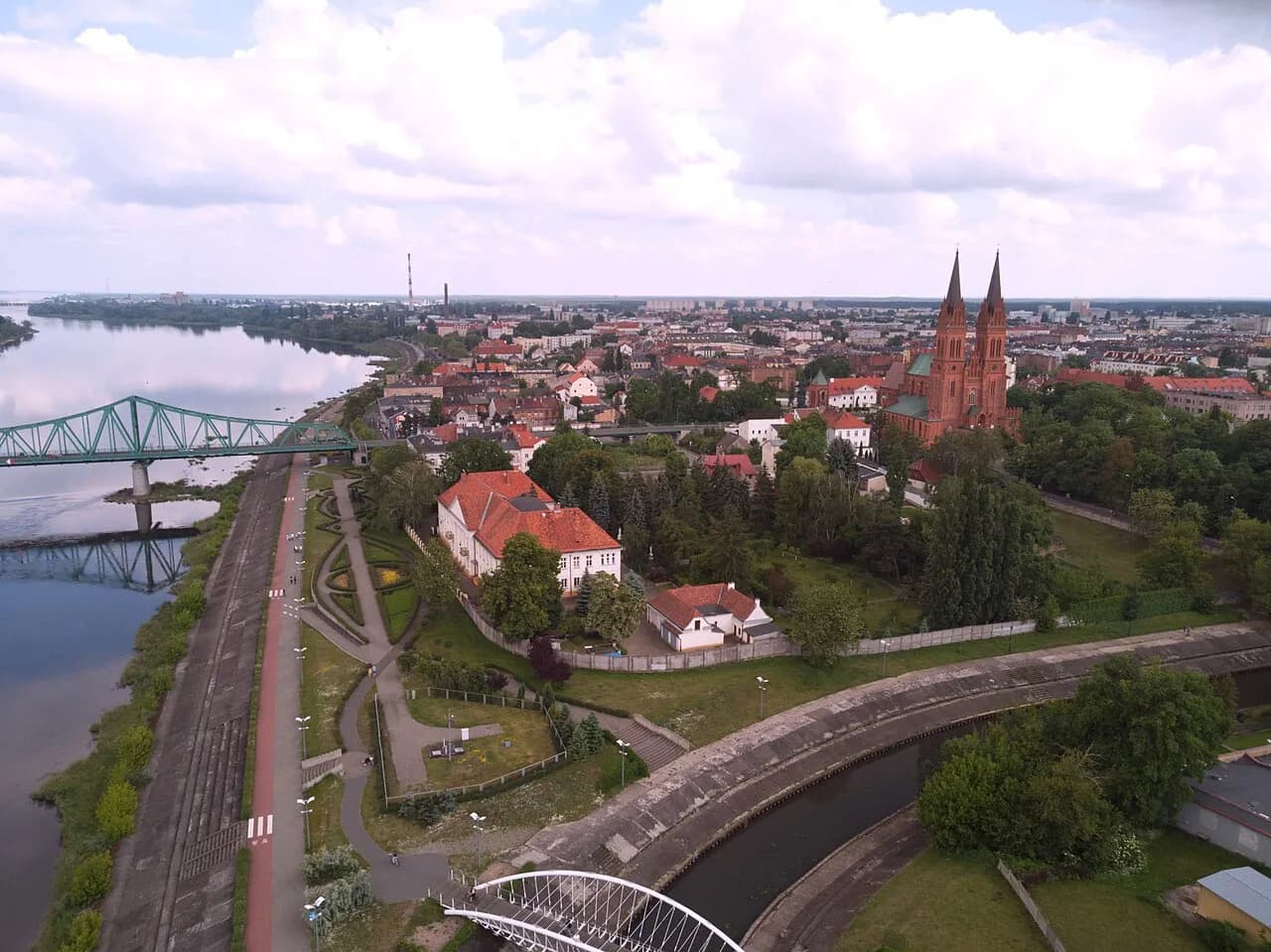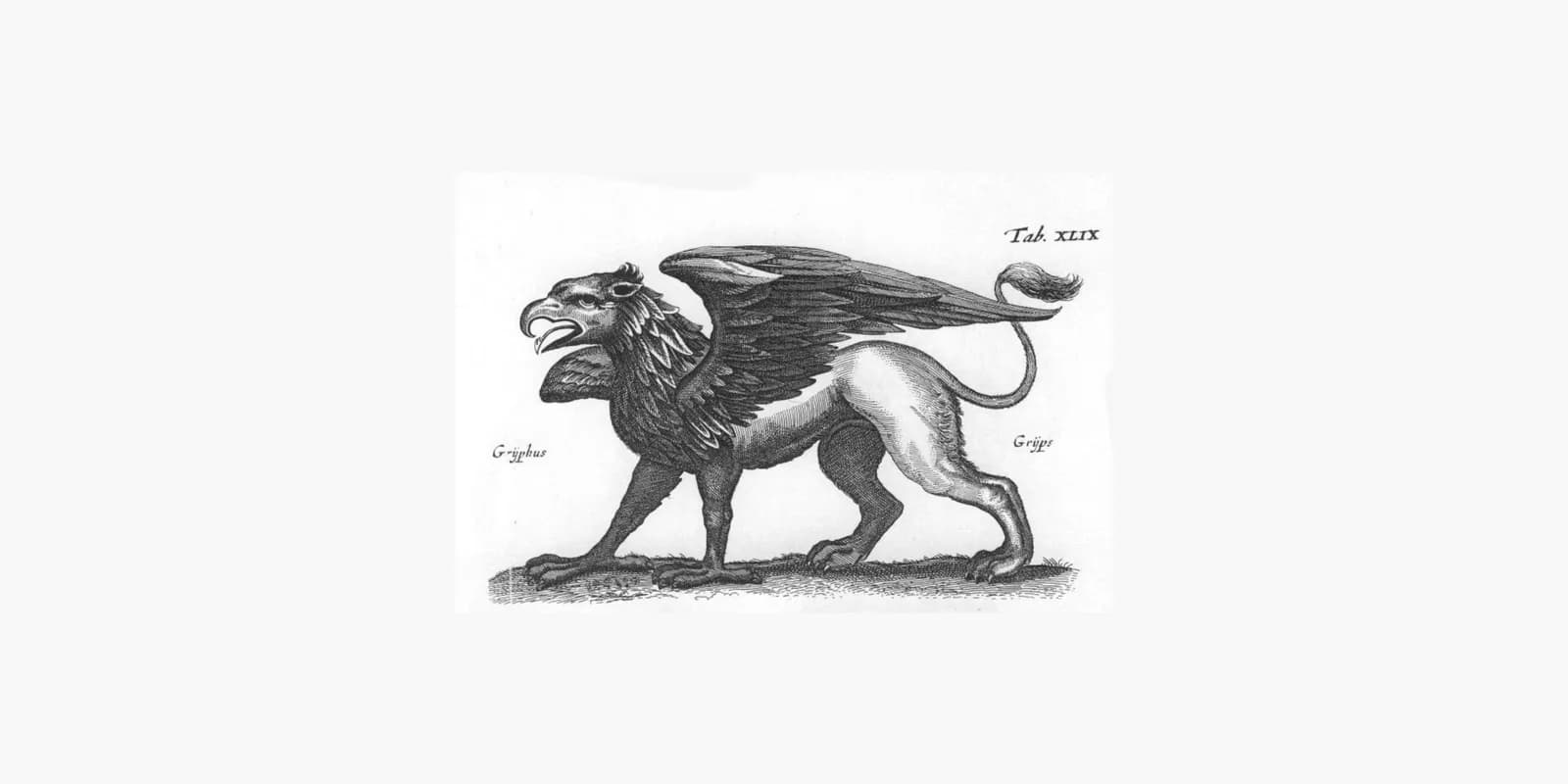
Long before Włocławek became the city we know today, local tradition places a mysterious guardian in the forests beside the Wisła and Zgłowiączka.
His name was Gryf.
According to a popular Włocławek legend, the griffin ruled the woodland and watched over the land where the city would eventually grow. When Włodzisław arrived looking for a place to establish a settlement, he encountered the creature and was offered a remarkable bargain.
The forest could become home to his people, but there was one condition: it had to be protected.
The story has all the ingredients of a traditional foundation legend, but it also contains echoes of Włocławek's real medieval past, including one of the darkest episodes in the city's history.
A bargain in the forest
In the popular version of the story, Włodzisław, described as the son of a Kujavian prince, was searching for a suitable place to establish a settlement.
His journey brought him into the forests around the Wisła and Zgłowiączka. There he encountered Gryf, a powerful creature who presented himself as the ruler and guardian of the surrounding woodland.
Gryf allowed Włodzisław to settle the area, provided that the forest would be respected and protected.
Włodzisław agreed. The settlement was established, and the story's bargain appeared to have been kept. But as Włocławek developed, the relationship between the people and the forest began to change.
According to the legend, the inhabitants eventually began cutting down the woodland. The timber was needed for the growing settlement, including its defensive walls. From Gryf's point of view, however, the reason did not matter. The agreement had been broken.
The guardian of the forest could have turned against the people who had betrayed their promise. Instead, the story gives Gryf a more complicated role. When danger approached Włocławek, he warned the inhabitants.
The danger came in the form of the Teutonic Knights.
The attack that really happened
Here the legend touches documented history.
In 1329, during the conflict between the Polish kingdom and the Teutonic Order, Teutonic forces entered Kujawy. Włocławek was attacked and burned, including its cathedral.
The destruction of the city is recorded in historical sources. The griffin's warning, however, belongs to the realm of folklore.
That distinction is worth keeping in mind because it is what makes the story so interesting. The medieval attack is historical, while Gryf gives the catastrophe a legendary explanation and a protector who stands between the people and the dangers surrounding them.
After the destruction, Włocławek was rebuilt.
In the legend, Gryf's role as guardian remained part of the city's story.
The griffin and Włocławek's heraldry
It is easy to assume that the griffin must appear on Włocławek's coat of arms.
It does not.
The city's present coat of arms shows a fortified wall on a red field, with a golden gate and three towers. The central tower is topped with a golden bishop's mitre.
The heraldic history of Włocławek is more complicated, however, and this is where another creature enters the story.
Medieval heraldic tradition connected the city with the arms of the Kujavian dukes. Their emblem combined a half-eagle and half-lion beneath a crown.
The unusual creature can resemble a griffin at first glance, and this historical symbol has contributed to the wider association between griffins and Kujawy.
But it is important not to confuse the two.
Gryf of the Włocławek legend is not the figure shown on the city's current coat of arms.
The modern city emblem belongs to a different heraldic tradition, while the legendary griffin has survived through local storytelling and the broader cultural memory of the region.
A creature rooted in Kujawy
There is something particularly fitting about Gryf's role as a guardian of the woodland.
Włocławek grew at an important point on the Wisła, alongside the Zgłowiączka, in a landscape where rivers, forests and trade routes shaped the development of the settlement.
The legend turns that landscape into part of the story itself.
The forest is not simply scenery. It has a voice, a guardian and a condition attached to it.
Gryf's bargain also gives the story a simple warning: what protects a community should not be taken for granted.
That idea gives the legend a life beyond its medieval setting. The story can be read as a reminder of the relationship between Włocławek and the natural landscape surrounding it.
A modern legend with an older setting
There is another detail worth clarifying.
The popular written version of the Włocławek griffin story should not be presented as a medieval chronicle. The version that is readily traceable today was written by Magdalena Sadowska as part of the Legendy, których nie znacie collection.
In other words, the story belongs to the tradition of modern Polish local legends, even though it places its characters in a medieval Włocławek and incorporates real historical events.
That makes it best understood as a modern telling of a local foundation legend, rather than evidence that medieval chroniclers recorded an encounter between Włodzisław and a griffin.
Gryf's place in the story of Włocławek
Legends rarely survive because every detail can be proved. They survive because they give places memorable characters and stories.
For Włocławek, Gryf provides a guardian for the landscape around which the city developed. His story brings together the Wisła, the Zgłowiączka, the forests of Kujawy and the turbulent medieval history of the city.
The Teutonic attack of 1329 is documented history. Włodzisław's meeting with Gryf is legend. The Kujavian half-eagle and half-lion belongs to the region's heraldic history.
Put together, they form a colourful picture of how Włocławek has been remembered and imagined over the centuries.
And somewhere in that story, the griffin is still watching over the forest.
See more: How Włocławek's Ceramic Tradition Lives On at Skarbiec Fajansu
Image credit: Public domain